A rolling mill is the core equipment of the grain and oil pre-treatment section. Its hydraulic system drives the rolls to apply high pressure to oilseed flaked germs. Its hydraulic piping endures high-pressure pulses, soybean oil / hydraulic oil media and equipment vibration for long periods; any leakage not only causes unplanned downtime but also risks food oil contamination. From an engineering perspective, this article reviews the selection, installation and verification points of hydraulic hose assemblies and steel tube assemblies.
1. Know the conditions first: medium, pressure and temperature
The typical peak pressure of a rolling mill hydraulic system lies in the 16-35 MPa range, and the reciprocating press of the rolls gives it distinct pressure pulse characteristics; the medium is mainly anti-wear hydraulic oil, and soybean oil splashes are common around the equipment. Temperature varies from ambient to 80°C depending on the conditions. The first principle of selection is not merely the rated pressure, but the pulse fatigue life and medium compatibility.
2. Selection of hydraulic hose assemblies
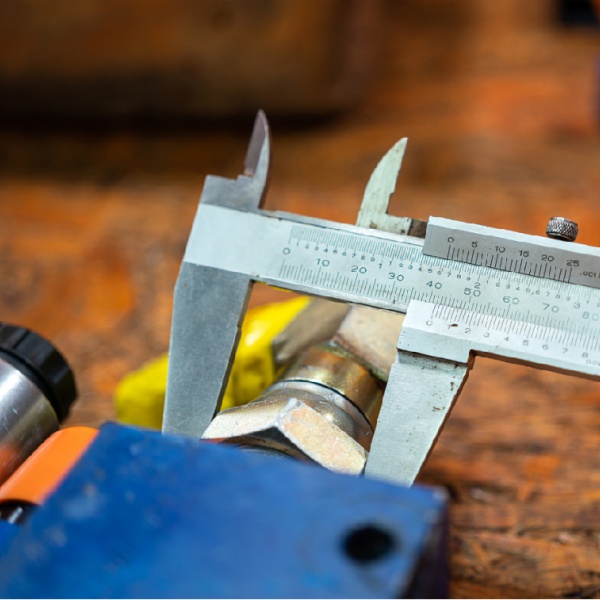
A hydraulic hose assembly consists of an inner liner, a reinforcement layer (steel wire braid / spiral) and an outer cover. For medium-pressure sections, SAE 100R2AT (two-layer steel wire braid) is suitable; for high-pressure, high-pulse sections, a 4SP / 4SH steel wire spiral structure is recommended. Crimped fittings must control the crimp dimension per the fitting manufacturer's specification, and every hose must be pressure-tested before delivery.
We verify assembly reliability with a 400 MPa ultra-high-pressure burst test - about 10 times the standard working pressure, far beyond industry-standard verification intensity, eliminating batch defects at the source.
3. Selection of steel tube assemblies
For fixed, long-distance sections that require rigidity, precision cold-drawn / cold-rolled stainless steel seamless tube assemblies are preferred: formed by CNC tube bending, fitted with ferrule or welded fittings, with high inner-wall cleanliness and better pressure resistance and durability than ordinary piping. The layout principle is: steel tube for fixed sections, hose for moving / vibrating sections, the two complementing each other.
4. Layout and installation essentials
Keep at least the specified minimum bend radius for hoses; twisting and sharp bends are strictly forbidden;
Secure steel tubes firmly with clamps to isolate equipment vibration;
Avoid stress concentration at fitting interfaces; add transition fittings where necessary;
For food-area piping, pay attention to material and cleanliness to reduce leak contamination risk.

5. Verification and on-site checklist
Factory verification includes burst pressure, pulse fatigue and cleanliness. Before on-site installation, check: fitting spec match, no crimp damage, bend radius compliance, support clamps in place, and no twisting pre-stress.
Application example: In the retrofit project of a hydraulic rolling mill, Nantong Jiliang selected KUNGFLEX hydraulic hose assemblies to replace the old piping. After 400 MPa burst verification, the batch was delivered, the pipeline leak rate dropped significantly and unplanned downtime decreased. Direct supply from a source factory plus an ISO 9001 system is a pragmatic choice for reliability of hydraulic piping in grain and oil processing.
If you need selection support for rolling mill piping, provide the operating parameters (pressure, medium, temperature, interface) and we can propose a hose / steel tube assembly combination with sample verification.